Zoho Partner Certification Levels: Authorised, Premium & Elite
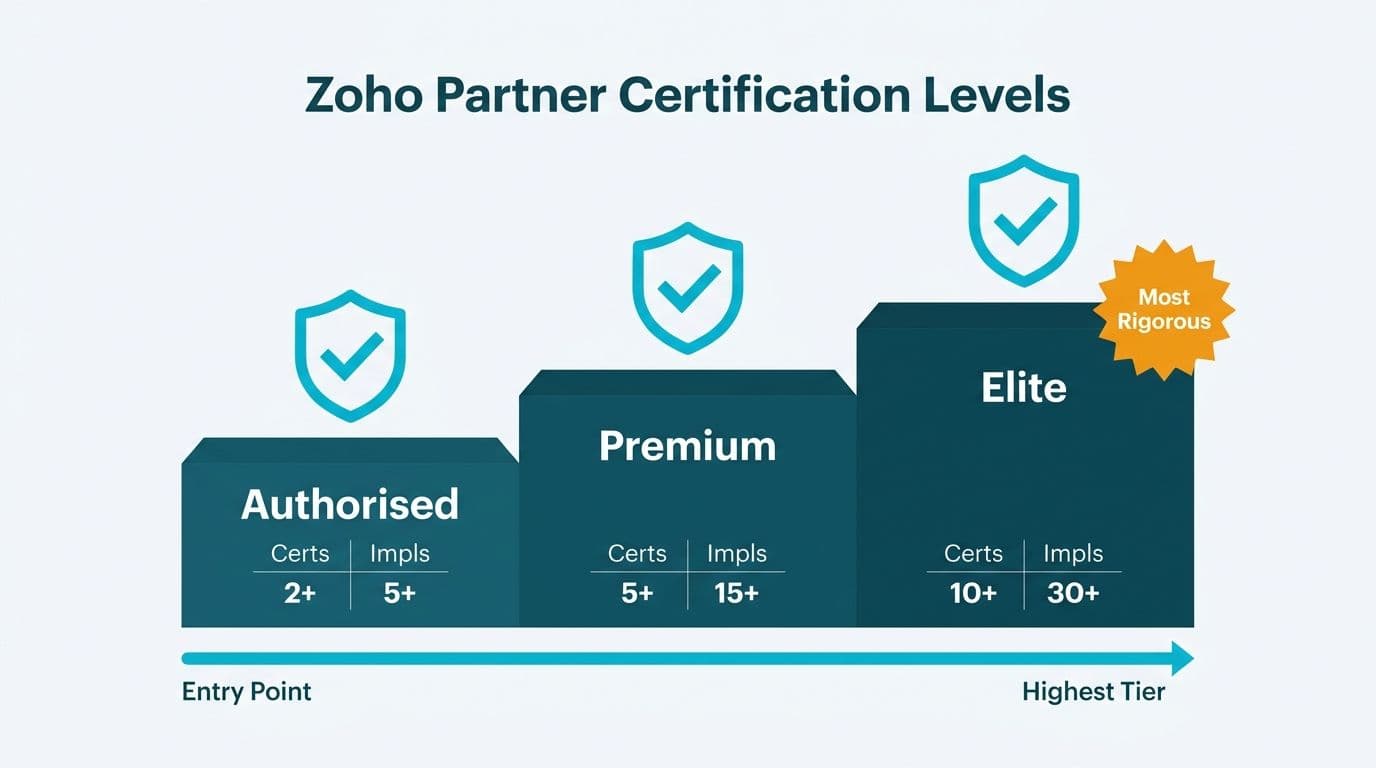
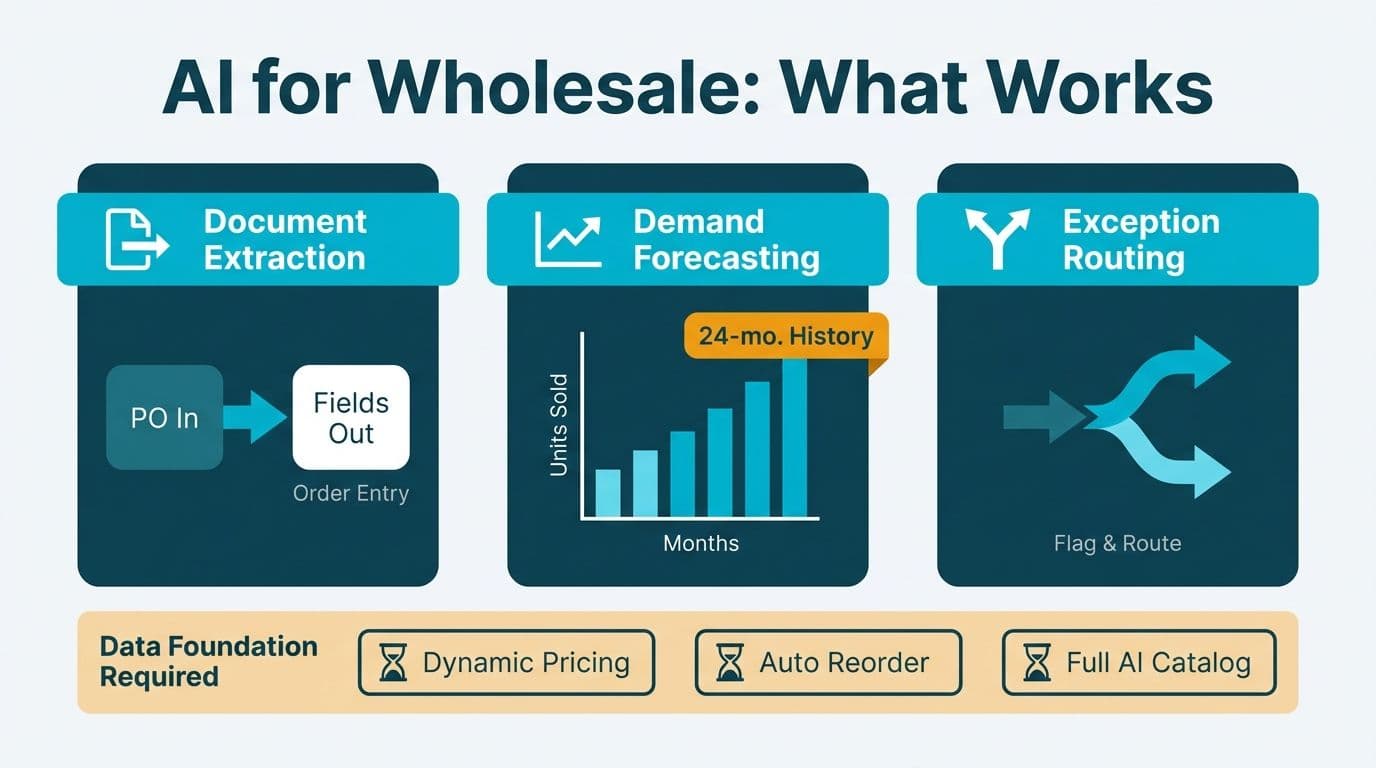
Zoho ranks its channel partners across three tiers - Authorised, Premium, and Elite - based on staff certification counts, completed customer implementations, and verified client references. Elite is the most rigorous designation; Authorised is the entry point. For CIOs and finance directors evaluating Zoho partners, the tier is a fast capacity signal - but it does not confirm the compliance experience that US healthcare, UK, and Canadian finance buyers must probe independently.
Key Takeaways
Zoho's three partner tiers (Authorised, Premium, Elite) are earned through Zoho University certifications, implementation volume, and verified customer references - not simply years in the programme.
Elite partners receive a dedicated Zoho account manager and priority support escalation - structural advantages when production issues arise in regulated environments.
Tier status does not confirm HIPAA, GDPR, or PIPEDA implementation experience - healthcare and finance buyers must probe compliance credentials separately.
A partner's product-specific certified staff count matters more than the firm's aggregate tier badge when determining which consultants will actually work on your account.
Engagement pricing - fixed-fee versus retainer - is negotiated directly with the partner; tier level does not set rates or dictate SLA commitments to clients.
What Are Zoho Partner Certification Levels and Why Do They Exist?
Zoho structures its global partner network through a tiered accreditation model anchored on Zoho University - the vendor's official training and certification platform. Consultants complete self-paced courses followed by proctored exams across individual Zoho products: CRM, Books, Analytics, Creator, Desk, Sign, Projects, and others within the Zoho One application suite. A partner firm's tier reflects the collective certification count of its active roster, the volume of registered and completed customer deals, and the quality of its verified client references submitted to and reviewed by Zoho.
For organisations evaluating Zoho consulting services for a CRM or Zoho One rollout, this framework provides a meaningful capacity signal. The tier tells you whether the firm deploying your system has one credentialed generalist or a multi-specialist team - and whether it has successfully handled a deployment at your scale and complexity before.
Zoho reviews and validates partner tier status on an annual basis. Zoho University credentials carry expiry dates, which means a firm's stated tier reflects current capability rather than a historical snapshot. A partner that invested in certifications several years ago and has since experienced staff turnover may no longer hold the tier it promotes in its marketing materials. Cross-referencing a partner's claimed tier against Zoho's public-facing partner directory - a two-minute step - eliminates a common category of misrepresentation before the first discovery call.
How Training Translates Into Tier Eligibility
Training within the Zoho partner programme is measured by certification counts rather than raw clock hours. Each consultant who completes a Zoho University exam and holds an active product credential contributes to the firm's aggregate certification total. Certifications are product-specific: a CRM Administrator credential does not cover Zoho Analytics or Zoho Books. Partner firms that span a wider surface of the Zoho One catalogue carry a broader certified bench, and that breadth feeds directly into Premium and Elite tier eligibility.
For buyers deploying multiple Zoho products simultaneously - CRM and Analytics together, or CRM, Books, and Desk in a unified Zoho One rollout - the relevant question is not how many total certifications the firm holds, but which specific products each assigned consultant is credentialed for. A firm with twelve certified staff, all credentialed only in CRM, is a weaker choice for a multi-module deployment than a firm with six consultants credentialed across CRM, Analytics, and Books.
What Does Zoho Authorised Partner Status Actually Mean?
Authorised is the programme's entry tier, and it is deliberately accessible. Firms at this level have met Zoho's minimum baseline: a small number of Zoho University-certified staff, evidence of active deal registration through Zoho's partner portal, and at least one completed customer implementation on record.
Authorised status confirms legitimacy - the firm has a formal relationship with Zoho, access to partner pricing, and a basic support channel. What it does not guarantee is multi-product implementation depth, enterprise delivery capacity, or sector-specific experience. A recently established boutique and a larger regional firm with an uneven certification programme may both hold Authorised status at different points in their trajectories.
When Authorised is sufficient: Straightforward, single-product deployments with limited integration complexity are well within scope for a capable Authorised partner. A Zoho CRM setup for a 20-seat professional services firm or agency - standard pipeline configuration, limited custom development, no cross-product integration - does not require Premium or Elite credentials. The risk profile scales with project complexity, not the tier badge.
When Authorised falls short: A US healthcare organisation deploying Zoho CRM to coordinate patient referral pipelines across multiple care facilities faces requirements that exceed basic CRM configuration. HIPAA technical safeguards - encrypted data at rest and in transit, role-based access controls, audit log configurations, and the execution of a Business Associate Agreement with vendors who handle protected health information - add a compliance implementation layer that Zoho's tier criteria do not assess. An Authorised partner may hold zero HIPAA implementation experience; buyers must ask directly and confirm in writing.
The same logic applies to US financial services firms with SOC 2 audit obligations. Authorised status confirms that a partner passed Zoho's internal bar; it says nothing about the partner's familiarity with the technical and procedural controls your auditors will review.
What Extra Commitments Do Premium Zoho Partners Make?
Premium partners occupy the programme's middle tier. Reaching this designation requires a meaningfully larger certified team - typically three to five Zoho University-credentialed consultants - alongside a higher volume of registered and completed deals, several multi-product implementations, and a minimum number of verified customer references reviewed and approved by Zoho.
The reference verification step is a meaningful quality signal. Unlike Authorised status, which requires only a basic implementation record, Premium partners must submit customer references that Zoho independently reviews - not website testimonials or self-attested case studies. Buyers should request these references directly and confirm that at least one is from an organisation in a comparable industry and at a comparable deployment scale. A glowing reference from a 10-person retailer carries limited predictive value for a 120-seat US insurance broker deploying Zoho One across a compliance-heavy claims workflow.
Premium partners typically hold certifications across a broader product set than Authorised firms. A Premium firm engaged by a UK fintech to deploy Zoho One - covering CRM, Books, Analytics, and Desk simultaneously - is more likely to have team members credentialed across all four products rather than relying on one generalist to cover the full stack. That breadth reduces integration risk when data flows cross module boundaries, as they invariably do in any combined CRM-and-finance deployment.
Zoho grants Premium partners access to enhanced support channels beyond the Authorised tier. Escalation paths are shorter, meaning live-environment issues reach Zoho's engineering contacts faster - a material difference during a go-live week when a broken data sync between Zoho CRM and a third-party payment gateway cannot wait in a standard queue.
Suppose a 75-seat Canadian financial advisory practice is evaluating a Zoho One rollout covering CRM, Sign, and Analytics, with PIPEDA-compliant data handling as a hard requirement. A Premium partner - with verified references and a broader certified bench - provides a stronger baseline than an Authorised firm. PIPEDA compliance experience, however, remains a separate vetting criterion: the tier does not test for it, and the buyer must confirm it directly.
What Sets Elite Zoho Partners Apart - and Why It Matters for Regulated Industries?
Elite is Zoho's highest partner tier, and the requirements are correspondingly rigorous: six or more Zoho University-certified staff, a substantial volume of registered deals, and the deepest verified client reference pool in the programme. But the structural advantages that distinguish Elite partners are not only about headcount - they are about the support infrastructure behind the account.
Elite partners receive a dedicated Zoho account manager and access to a priority support queue. In practice, this means a named Zoho contact who knows the partner's client portfolio, combined with an escalation path that bypasses the standard support queue and routes issues directly to Zoho's product and engineering teams. For a US health system deploying Zoho CRM to coordinate care management workflows across multiple facilities, the difference between a standard support queue that averages 48-72 hours and a priority escalation resolved in under eight hours is operationally significant - and it is a programme entitlement that Elite partners can demonstrate with specific, timestamped examples from prior escalations, not a marketing claim.
Elite partners also participate in Zoho's beta programmes on a regular basis, gaining earlier visibility into upcoming product capabilities before general availability. For a finance director evaluating total cost of ownership across a five-year Zoho One engagement, this matters: an Elite partner can flag upcoming platform changes - Zia AI enhancements for predictive pipeline scoring and anomaly detection, expanded native Analytics connectors for ERP and accounting data sources, and enhanced audit trail controls rolling out across Zoho One through H2 2026 - that affect long-term platform fit before those changes reach the public roadmap.
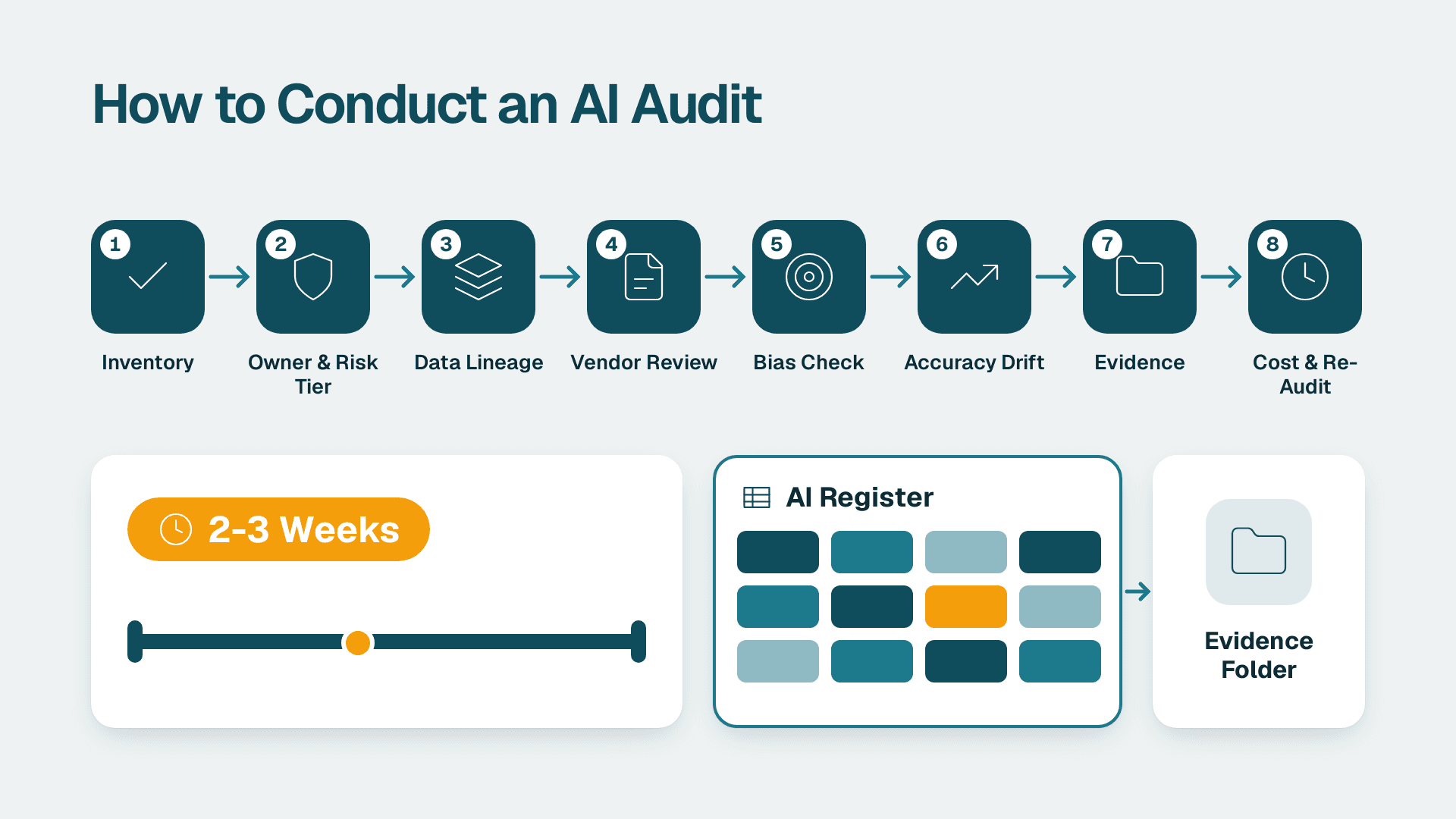
The Zoho CRM implementation checklist covers the phase-by-phase steps any rigorous Zoho project should follow, from discovery and configuration through data migration, UAT, and hypercare. Elite partners are expected to execute against that framework consistently, not only on flagship engagements.
Multi-jurisdiction deployments: A mid-market US SaaS company with UK and Canadian subsidiaries deploying Zoho One faces three compliance layers simultaneously - SOC 2 data handling expectations for the US entity, GDPR obligations for the UK operation including Article 28 data processing requirements, and PIPEDA obligations for the Canadian arm. An Elite partner with documented cross-jurisdictional implementation experience is meaningfully better positioned to manage those layers concurrently. Buyers should still request explicit evidence of GDPR and PIPEDA project history rather than inferring it from tier status alone.
For UK fintech and EU organisations navigating SaaS-layer compliance, additional context on GDPR data management obligations is available in GDPR Compliant SaaS Financial Reporting: The BI Checklist.
Zoho Partner Tier Comparison: Authorised vs Premium vs Elite
The table below summarises the key differentiators across all three tiers. Zoho's exact threshold figures are published in its official partner programme documentation and are subject to periodic revision. Treat these ranges as directional guidance (as of 2026) and verify current requirements with Zoho directly or with any partner under evaluation.
| Requirement | Authorised | Premium | Elite |
|---|---|---|---|
| Zoho University-certified staff (min.) | 1-2 | 3-5 | 6+ |
| Completed customer implementations | 1-3 | 5-10 | 15+ |
| Verified client references | 1 | 3+ | 6+ |
| Dedicated Zoho account manager | No | No | Yes |
| Priority support escalation | No | Limited | Yes |
| Beta programme participation | No | Occasional | Regular |
| Best fit for project scope | Small, single-product | Mid-market, multi-product | Enterprise, multi-entity |
What Questions Should You Ask a Zoho Partner Before Signing a Contract?
The tier framework is a fast first filter, not a complete vetting methodology. Zoho's criteria assess delivery capacity and programme standing - not sector knowledge, compliance depth, or account management quality. These questions extend the tier filter into territory that badges alone cannot cover, and they map directly to the distinctions that separate capable partners from costly ones once a project is underway.
On certifications: Ask for the names and current Zoho University credential status of the specific consultants who will be assigned to your project - not the firm's total certification count. A firm with fifteen certifications across ten consultants may assign the two most junior to your account. Confirm that credentials are active and product-specific to your deployment scope.
On references: Request references from at least two clients in your industry vertical at comparable deployment scale. For US healthcare buyers, ask specifically for clients who navigated HIPAA Business Associate Agreement execution during a Zoho implementation. For UK organisations, ask about GDPR Article 28 compliance and data processing addendum experience. For Canadian financial services firms, ask about PIPEDA data residency configurations and whether the partner has worked with FINTRAC-relevant workflows.
On support escalation: Ask the partner to describe a specific live-environment issue they escalated directly to Zoho in the past 12 months and how quickly it was resolved. Elite partners with genuine priority access can answer with specifics - resolution timelines and the Zoho engineering contact involved. Partners overstating their tier or channel access typically cannot.
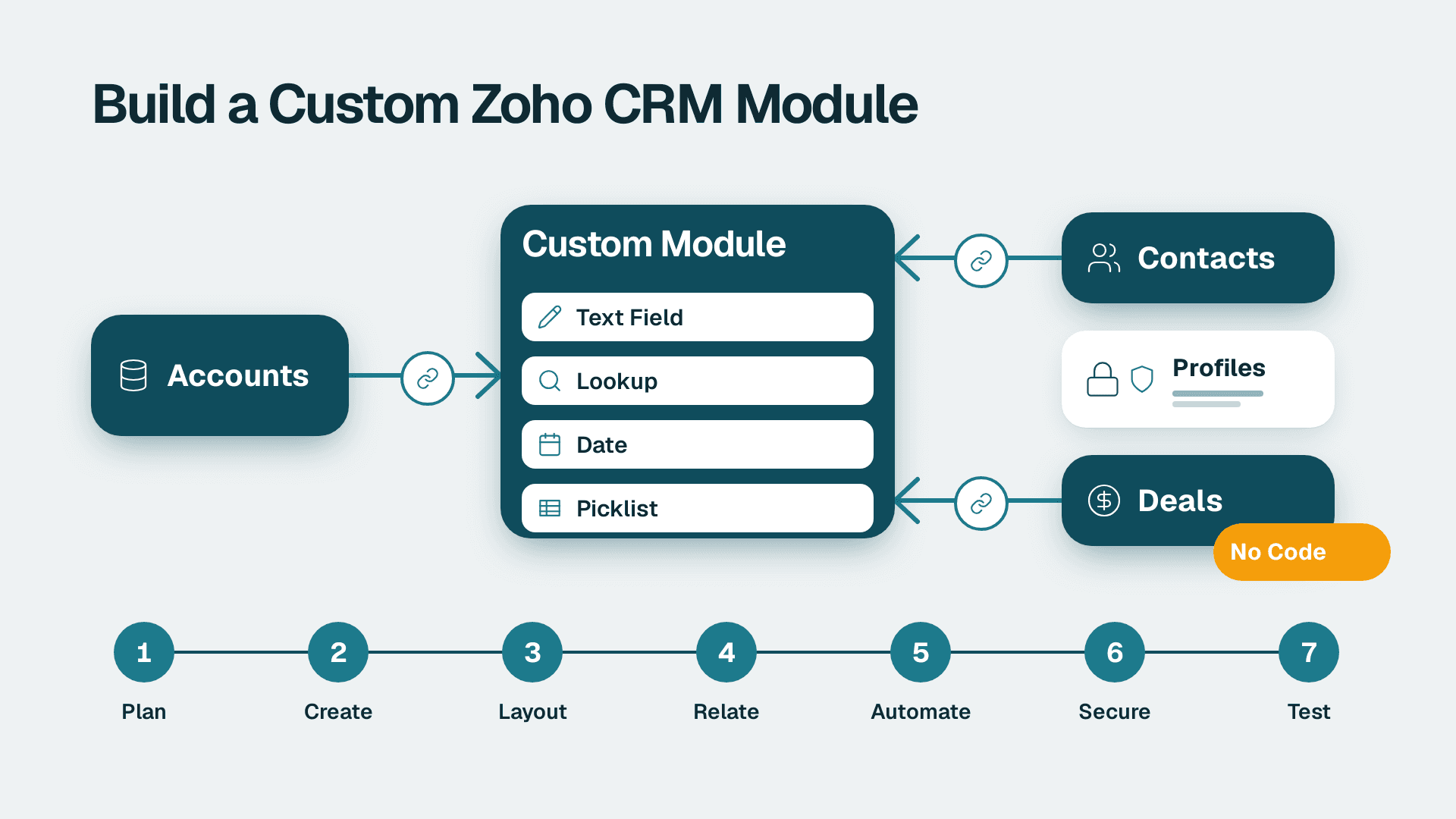
On engagement model: Zoho consulting engagement models range from fixed-fee project engagements to ongoing retainers, and the right structure depends on scope clarity at the outset and how stable that scope is likely to remain. Zoho's tier system does not dictate pricing or engagement structure - both are negotiated directly between client and partner. For a detailed breakdown of what Zoho implementations typically cost across different engagement models, Zoho consultant cost guidance for 2026 covers the range by project type and team size.
On data migration: For any project that includes importing records from an existing CRM, ERP, or spreadsheet environment, ask the partner to walk through their deduplication and validation methodology before the data import phase begins. Weak migration practices generate the majority of post-go-live remediation costs on Zoho projects. Migrating to Zoho CRM: Data Import, Deduplication and Validation outlines the steps a rigorous migration process should include - a useful benchmark for evaluating a partner's answer.
---
About Lets Viz: Lets Viz is a data analytics and CRM consulting firm that has helped mid-market organisations implement and optimise Zoho, Power BI, and cloud analytics platforms since 2020. The team holds a 5.0 Clutch rating and has delivered engagements across US healthcare, UK fintech, Canadian manufacturing, and global SaaS companies - bringing the compliance and integration expertise that regulated-industry clients require.
If you are evaluating Zoho partners for a healthcare, finance, or multi-entity deployment, the team at Zoho consulting services helps organisations verify partner tier credentials, structure the right engagement model, and manage implementations from discovery through hypercare.