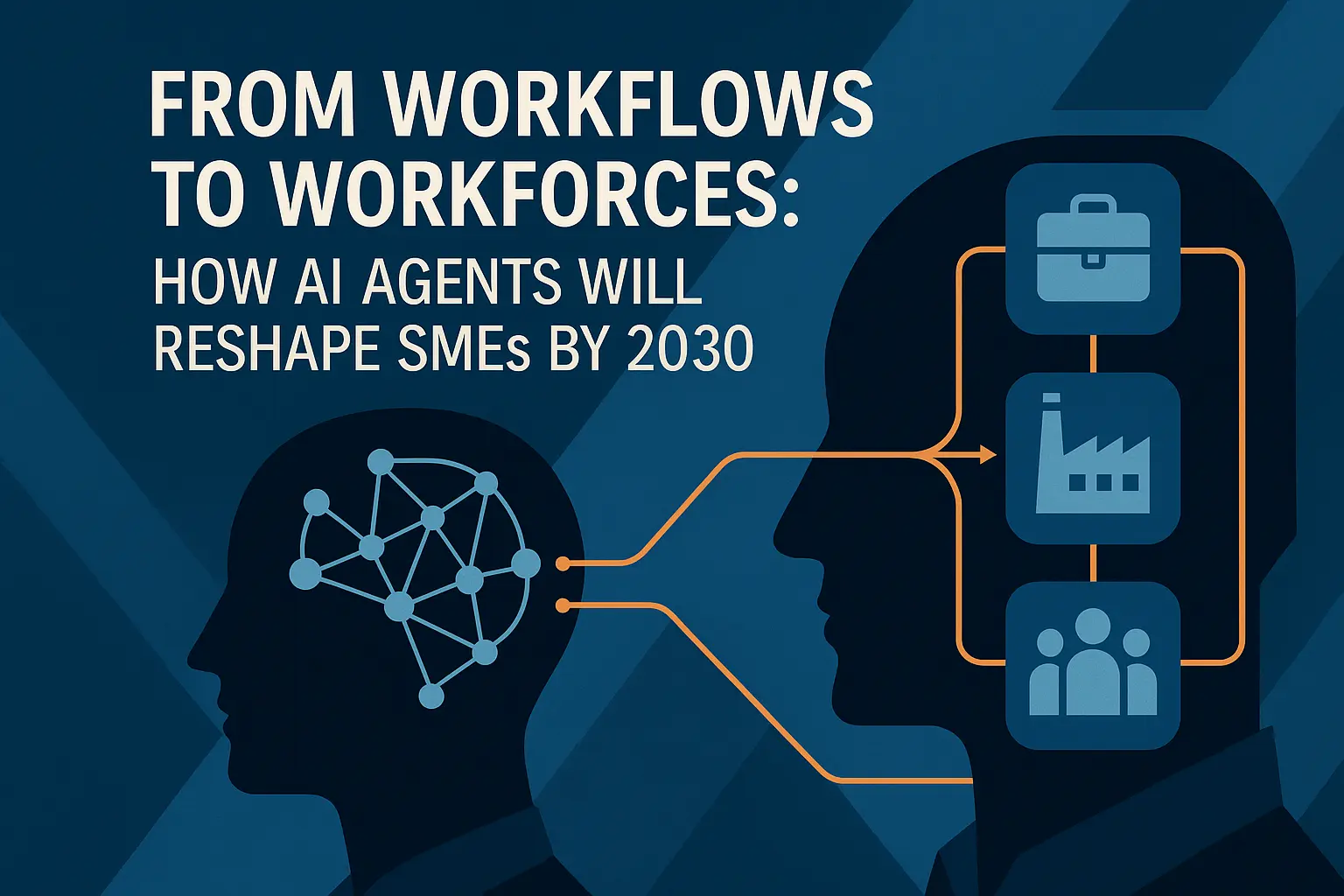
From Workflows to Workforces: How AI Agents Will Reshape SMEs by 2030
TLDR
By 2030, small and mid-sized enterprises (SMEs) will transition from relying on rigid workflows to leveraging AI-powered workforces. These workforces will be built on AI agents—autonomous digital systems that can perceive, decide, and act with minimal oversight. Unlike traditional automation tools, AI agents adapt, learn, and collaborate across business functions. For SMEs, this shift means lower costs, faster scaling, and access to enterprise-level capabilities without enterprise-level budgets. Businesses that adopt early will gain agility and competitive advantage, while late adopters risk being left behind by AI-native competitors.
The Next Decade of SME Transformation
For decades, SMEs have been told that automation is their ticket to survival against larger competitors. Initially, this meant digitizing paperwork, then moving to ERP systems, and more recently, adopting workflow automation tools like Zapier, n8n, and Make. But the next wave—agentic AI—is fundamentally different.
Agentic AI shifts automation from static workflows (if X, then Y) to dynamic workforces (systems that learn, adapt, and act like human colleagues). Instead of SMEs relying solely on human employees and siloed tools, by 2030 they will employ hybrid teams—humans supported by swarms of AI agents that can run marketing campaigns, manage finances, and even negotiate supplier contracts.
This transformation is not about replacing people but about redefining work itself. For SMEs, the question is no longer “Should we adopt AI?” but rather “How quickly can we build an AI-augmented workforce before competitors do?”
What are AI Agents and Why Do They Matter for SMEs?
At their core, AI agents are autonomous digital entities that:
Perceive their environment (through APIs, databases, customer input).
Decide on actions using reasoning, goals, and context.
Act by executing tasks—sending emails, updating systems, or even triggering physical processes.
Unlike workflows that follow strict predefined rules, AI agents:
Adapt to changing inputs (e.g., adjusting pricing when a competitor changes theirs).
Collaborate with other agents (multi-agent systems).
Improve over time through reinforcement learning and fine-tuning.
For SMEs, this adaptability is game-changing. A workflow automation tool can post scheduled content to social media. But an AI agent can monitor engagement in real time, adjust messaging, recommend budget shifts, and even draft personalized replies.
How Will AI Agents Reshape SME Business Models by 2030?
1. From cost-saving to value-creating
Initially, AI tools were adopted for efficiency—saving hours in manual work. By 2030, SMEs will use AI agents not just to cut costs but to create new revenue streams, launch faster, and enter markets previously inaccessible.
2. Hybrid Human + AI teams
Instead of replacing workers, AI agents will complement them. A 10-person SME in 2030 may effectively function like a 50-person company today because AI agents handle routine functions, freeing employees to focus on high-value creativity and strategy.
3. Sector-specific transformation
Retail SMEs: AI agents will manage personalized promotions, demand forecasting, and inventory.
Healthcare SMEs: Patient onboarding, reminders, and claims processing handled by AI agents.
Professional services: AI-powered analysts supporting consultants, accountants, and marketers.
What Capabilities Will SMEs Gain from AI-Powered Workforces?
End-to-End Automation
Finance: bookkeeping, expense tracking, fraud detection.
HR: candidate screening, employee onboarding, compliance checks.
Marketing: campaign planning, content generation, customer analytics.
Decision Intelligence
AI agents will analyze market signals, customer feedback, and competitor moves to provide predictive insights.
Dynamic Adaptation
SMEs will respond to real-time changes—e.g., adjusting supply chain orders when geopolitical events disrupt logistics.
24/7 Operation
AI agents never sleep, meaning customer service and internal operations can run continuously without burnout.
What Macro-Trends Are Driving Agentic AI Adoption?
Falling Costs of Compute & AI APIs
OpenAI, Anthropic, and Meta’s open-source models have made powerful AI accessible at SME-friendly prices.Rise of Plug-and-Play Automation
Platforms like n8n, Zapier, and Make integrate AI agents with existing SME tech stacks.Cultural Shift to AI Acceptance
Just as cloud adoption was once resisted but is now ubiquitous, by 2030 AI “co-workers” will be normalized.Venture Funding for AI-Native SMEs
Investors increasingly back “AI-first” SMEs that scale leaner and faster using digital workforces.
What Risks and Challenges Will SMEs Face?
Ethical Concerns: Biased decision-making if agents are trained on flawed data.
Workforce Anxiety: Employees may resist AI adoption without clear communication.
Vendor Dependency: Over-reliance on third-party AI providers can expose SMEs to lock-in.
Security & Compliance: Sensitive data must be safeguarded under GDPR, HIPAA, and other regulations.
According to a 2023 McKinsey survey, 50% of businesses cited AI risk management as a top concern when scaling adoption [McKinsey].
How Can SMEs Prepare Today for the AI Agent Revolution?
Start with Pilot Automations
CRM automation, financial dashboards, or HR onboarding.
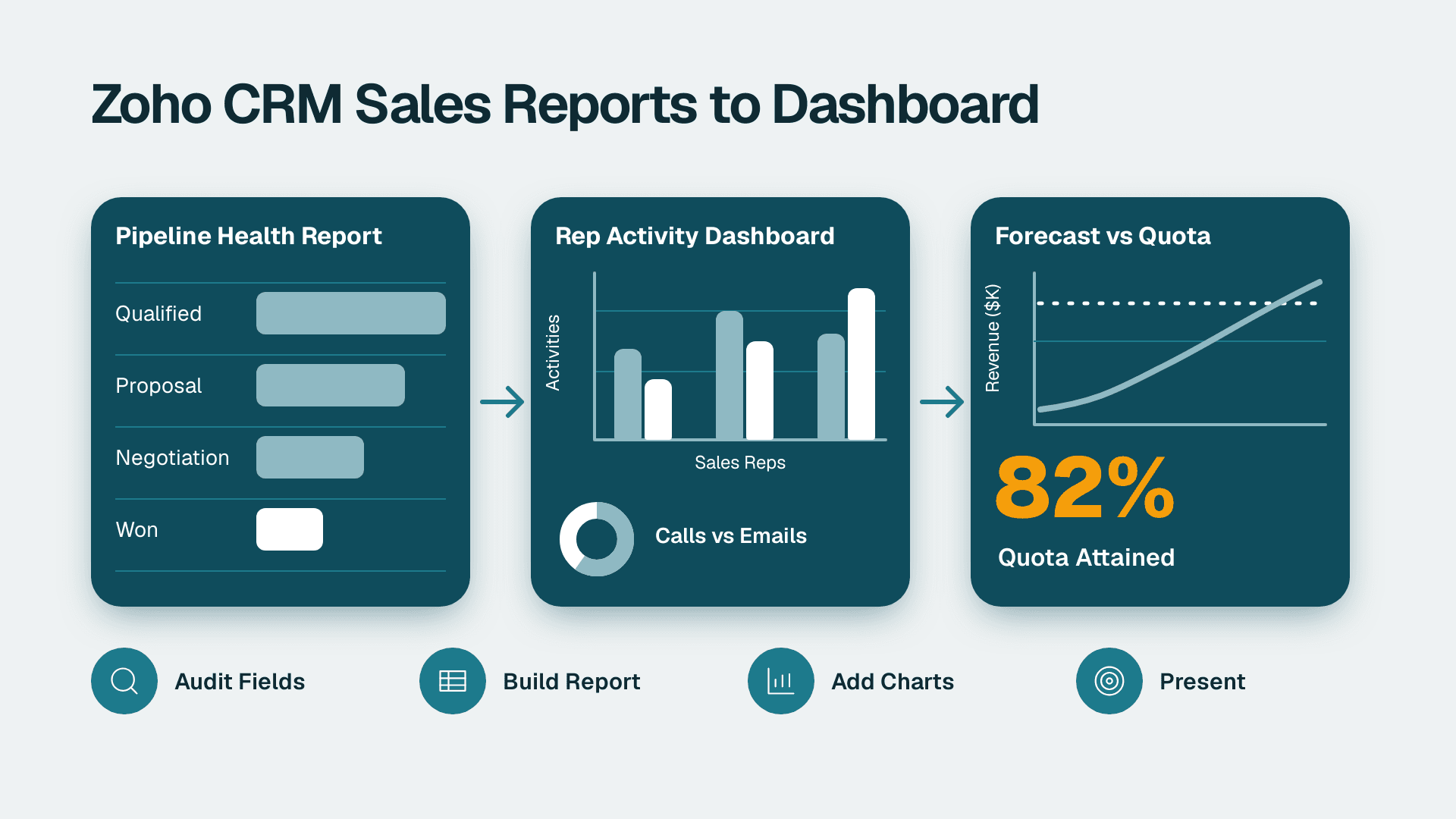
Explore Marketing Dashboard Examples for inspiration.
Upskill Employees
Invest in AI literacy and agent supervision training.
Work with AI Consulting Firms
Partner with firms like Lets Viz Technologies to design scalable automation roadmaps.
Build Governance Frameworks
SMEs need clear guidelines on AI usage, accountability, and compliance.
Practical Examples – AI Agent Roles in SMEs by 2030
| Role | Today’s Human Function | AI Agent Function by 2030 | Hybrid Model |
|---|---|---|---|
| Marketing Manager | Plans campaigns, tracks ROI | Runs campaigns end-to-end, auto-adjusts based on analytics | Human defines strategy, AI executes & optimizes |
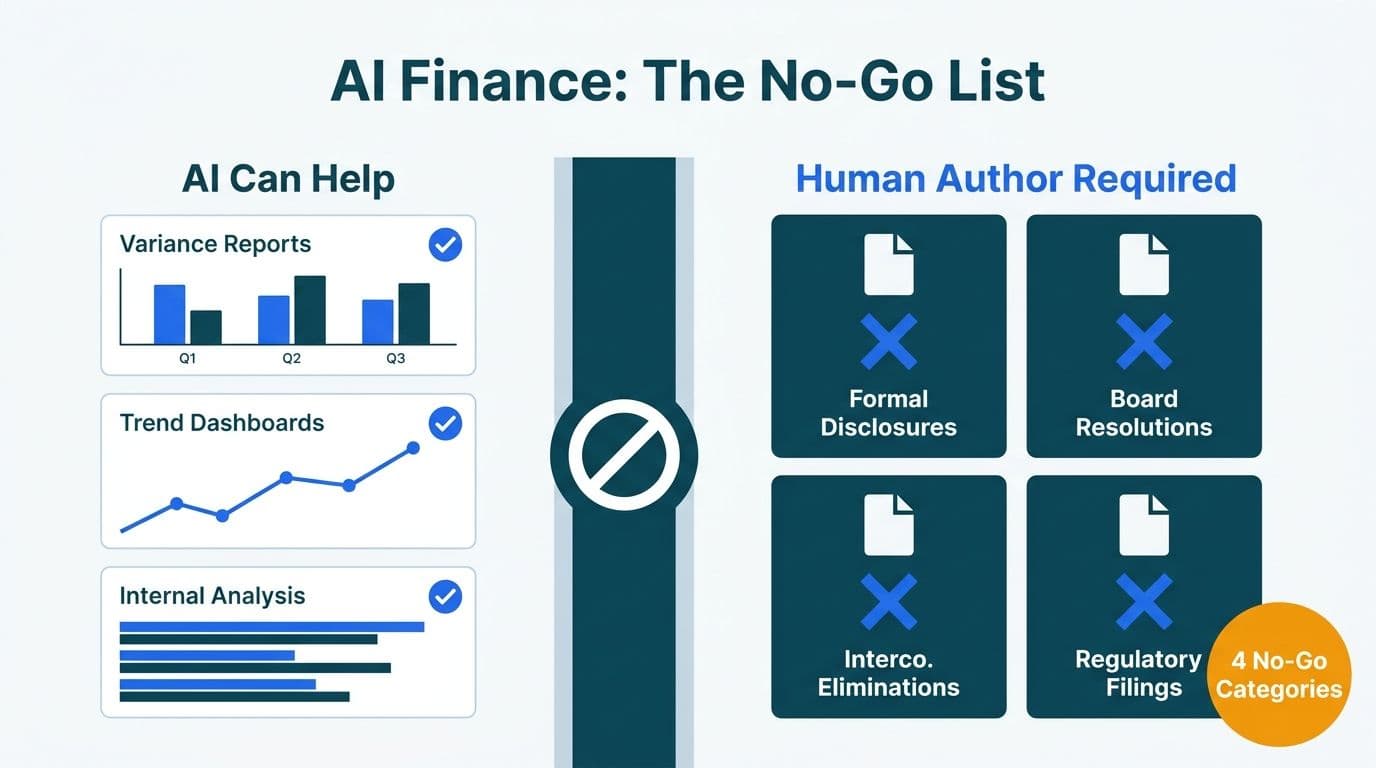
| Financial Analyst | Prepares reports, forecasts cashflow | Automates bookkeeping, predicts scenarios | Human approves final financial decisions |
| HR Coordinator | Screens resumes, manages onboarding | Automates hiring funnels and employee training | Human conducts interviews, manages culture fit |
| Customer Success Agent | Handles queries, manages churn risk | Learns patterns, preemptively resolves issues | Human builds long-term client relationships |
SME Adoption Roadmap (2025–2030)
2025–2026: Early automation + AI copilots for marketing and operations.
2027–2028: Multi-agent collaboration, AI supervisors, and AI-augmented decision-making.
2029–2030: AI-native SMEs with entire departments run by digital agents.
Statista projects that AI adoption among SMEs will rise from 30% in 2023 to nearly 70% by 2030 [Statista].
Competitive Advantage – Why Early Adopters Win
SMEs that adopt AI agents early will enjoy:
Lower Operational Costs – leaner teams with higher output.
Faster Innovation Cycles – AI can test, learn, and iterate in hours, not weeks.
Enhanced Customer Retention – hyper-personalized experiences.
Funding Access – investors favor AI-native businesses.
As HBR notes, companies that integrate AI into their operating models grow revenues 20–30% faster than peers.
Conclusion: From Workflows to Workforces
By 2030, SMEs will not just use AI—they will be built around AI agents. What started as workflow automation will evolve into AI-powered workforces capable of scaling businesses beyond their traditional limits. Early adopters will enjoy exponential advantages, while laggards may struggle to survive.
The future of SMEs is not about replacing humans but about creating smarter, faster, and more resilient hybrid workforces. The journey from workflows to workforces has already begun—now is the time for SMEs to prepare.
👉 Ready to explore how AI agents can transform your SME? Contact Lets Viz Technologies for tailored automation strategies.
They are autonomous digital systems that can perform tasks, make decisions, and adapt—unlike rigid workflows.
Not entirely. They will handle repetitive work, while humans focus on creativity, strategy, and customer care.
Thanks to cloud AI APIs, adoption can start as low as a few hundred dollars per month, scaling as needed.
Retail, healthcare, logistics, financial services, and marketing agencies.
By building governance policies, auditing models for bias, and being transparent with stakeholders.
Strategically, no. By 2030, AI will be a baseline requirement to remain competitive.
Yes—through pilot projects in CRM automation, dashboards, and HR processes. Tools like n8n automation templates already provide entry points