AI vs AI Automation: Key Differences, Types & Examples
AI is one of the most talked-about topics in business today. Small and mid-sized companies hear about AI tools, dashboards, or chatbots and often want to try them quickly. But here’s the problem: many businesses confuse AI with automation, or assume both are the same.
They are connected, but different. Knowing the difference helps you decide where to start, what to expect, and how to avoid wasting money.
Are AI and Automation the Same?
The short answer is no.
-
Automation means using technology to follow fixed rules again and again. It is great for tasks that are simple and repeatable, like sending an invoice reminder every Monday.
-
AI means using technology that can learn from data, spot patterns, and even make predictions. For example, predicting which customer might pay late.
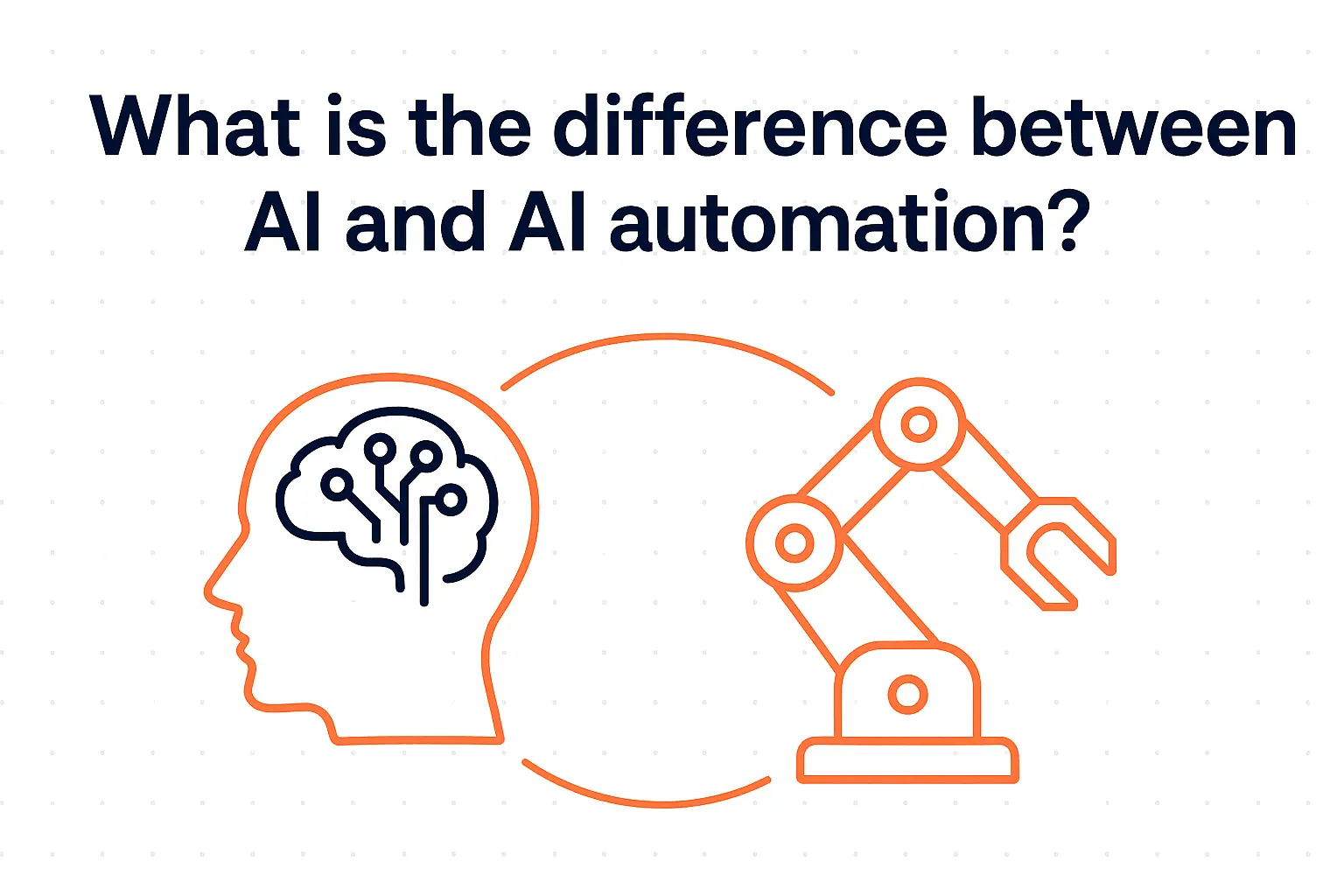
When you put the two together, you get AI automation—a system that runs automatically but also learns and adapts as your business changes.
What Exactly Is AI Automation?
AI automation is when traditional automation is powered by AI. Think of it like this: automation is the “engine,” and AI is the “brain.”
For example, a customer support chatbot can be programmed with a list of standard replies. That’s automation. If the same chatbot learns from past conversations and improves its answers over time, that’s AI automation.
This is powerful for SMEs because it means you don’t just save time—you also get smarter results.
The Four Types of AI (and Why SMEs Care)
When people hear “types of AI,” they often think of academic definitions. But for SMEs, it’s more useful to think about AI in terms of how it interacts with your business:
-
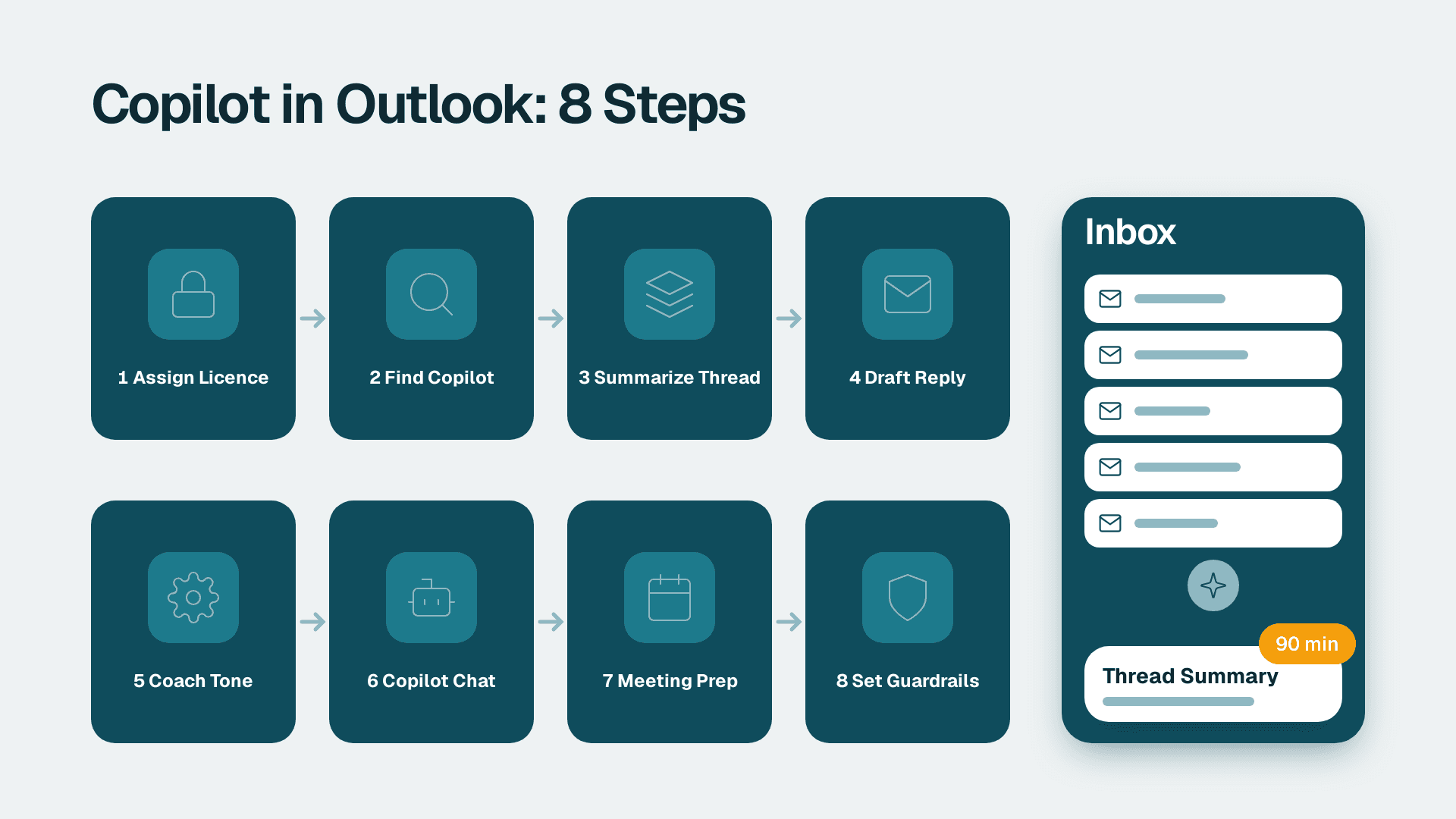
Text-Based AI → Works with written language. Examples: ChatGPT writing an email draft, tools that summarize reports, or chatbots for customer service.
-
Voice-Based AI → Works with speech. Examples: AI phone agents using Vapi or Twilio, transcription tools like Otter.ai, or voice-driven assistants.
-
Image-Based AI → Works with visuals. Examples: scanning invoices, detecting defects in product photos, or generating marketing graphics.
-
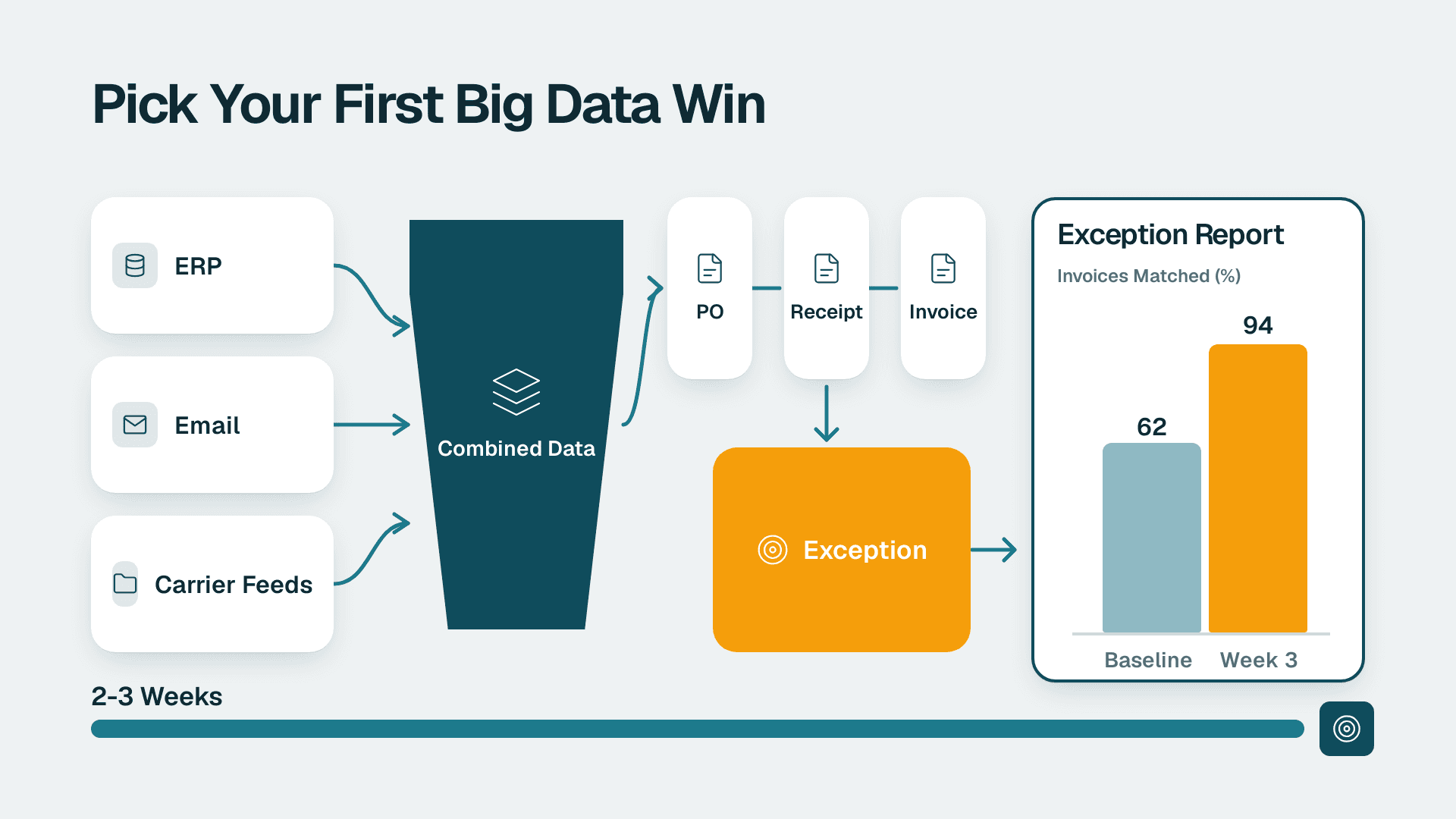
Data-Based AI → Works with numbers and patterns. Examples: forecasting sales, detecting anomalies in finance, or clustering customers by buying habits.
👉 For most SMEs, text-based and data-based AI are the fastest wins because they directly connect to daily operations like sales, marketing, and finance.
Generative AI vs Automation
Generative AI (like ChatGPT) can create new content—emails, reports, even images. Automation, on the other hand, simply runs tasks without change.
The real magic happens when you combine them. Imagine:
-
An AI tool writes a weekly marketing summary.
-
Automation then sends it to your team every Monday morning.
This saves hours of manual work and makes sure insights reach the right people on time.
Examples of Automation (with a Twist of AI)
Here are a few simple examples that show how SMEs can use automation, and how AI makes them smarter:
-
Finance: Automation sends payment reminders. AI predicts which customers are at risk of delaying payment.
-
Sales: Automation rotates new leads among the sales team. AI scores which leads are “hot” so reps can focus better.
-
Marketing: Automation pulls data from ads and updates dashboards. AI suggests where to move budget for higher ROI.
-
Support: Automation assigns tickets to the right agent. AI suggests a draft reply or escalates urgent issues.
What Type of AI Works Best for Automation?
To get the best results, you don’t just need AI models—you need automation tools that make them work in real business processes.
- n8n → Open-source workflow automation, great for connecting APIs and AI models.
-
Make (Integromat) → Visual automation builder, useful for SMEs to link marketing, finance, and CRM data.
-
Zapier → Simple, user-friendly automation tool that integrates with thousands of apps.
-
Vapi → A platform for building AI voice agents, ideal for customer support or sales calls.
These platforms let you design workflows where AI makes decisions, and automation executes them—turning intelligence into action.
👉 Example: An AI model predicts late payments → Zapier automatically triggers reminders → Vapi voice agent follows up with a call if overdue
How Should SMEs Decide What to Use?
Here’s a simple way to think about it:
-
If the task is clear and repetitive → use automation.
-
If the task involves decisions or predictions → use AI.
-
If the task needs both speed and smart thinking → use AI automation.
Example: “Send every customer the same invoice reminder” = automation.
“Decide which customers to chase first based on payment risk” = AI.
“Send reminders automatically but adjust based on risk score” = AI automation.
Common Mistakes SMEs Make
Many SMEs jump into AI tools too quickly. Here are the top pitfalls:
-
Buying tools without a clear problem. AI works best when linked to a business goal.
-
Poor data quality. If your data is messy or spread across systems, AI will not give useful results.
-
No internal ownership. Without someone in the team acting as an “AI Champion,” adoption is weak.
-
Skipping ROI measurement. If you don’t track before-and-after results, it’s easy to give up.
A 90-Day Starter Plan for SMEs
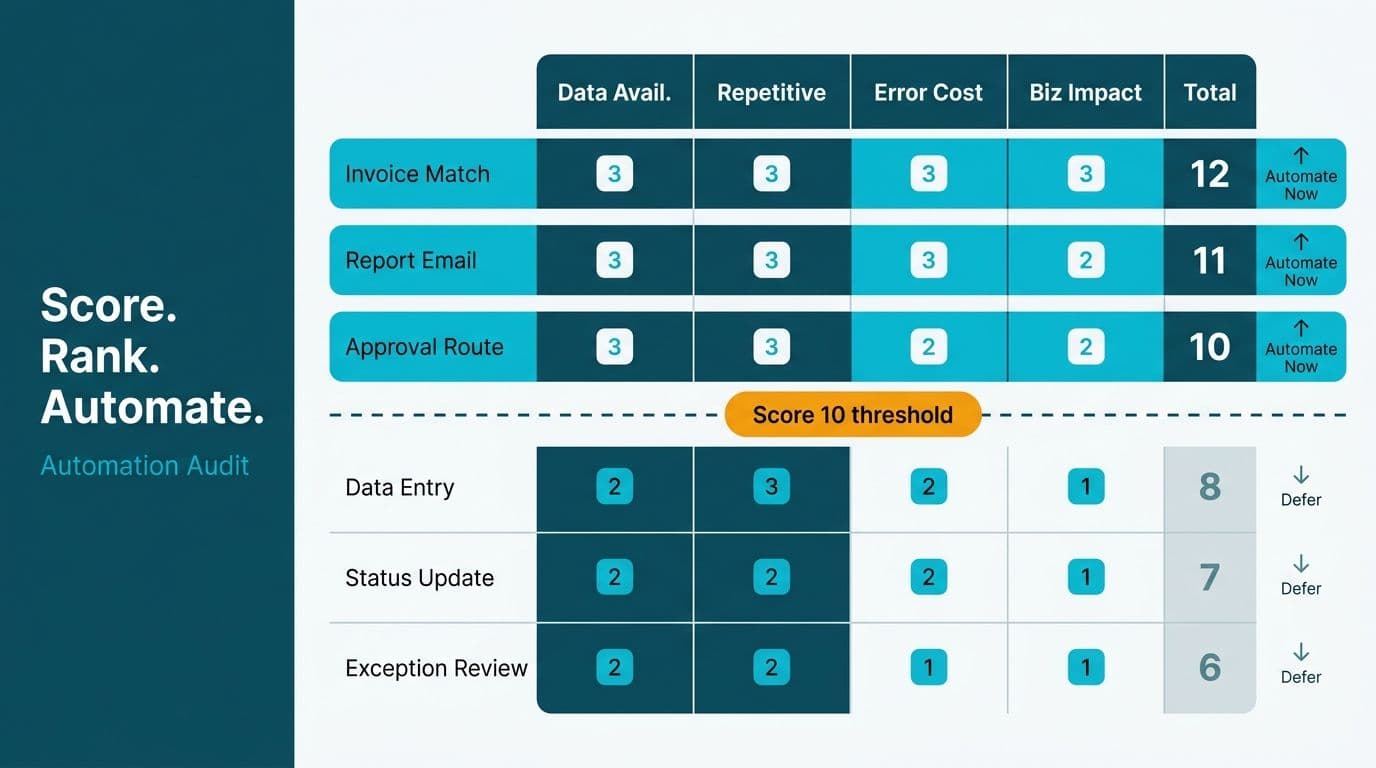
First 30 days: Pick one simple process to automate (like reporting or reminders). This gives a quick win.
Next 30 days: Add AI as a “co-pilot.” For example, let AI suggest but not finalize—like lead scores or draft replies.
Final 30 days: Move from “assist” to AI automation where the system acts on clear thresholds. Example: escalate tickets automatically if predicted priority is high.
By the end of 90 days, you’ll know if the system is delivering value and whether it’s ready to scale.
AI and automation are not the same—but they are stronger together. Automation makes your business faster. AI makes it smarter. When combined, they can free up time, reduce errors, and give SMEs a real competitive edge.
But remember: success doesn’t start with tools. It starts with clarity—choosing the right process, measuring results, and training your team to use them.
👉 Want help designing your first AI automation project? See our AI Consulting Services